



Reference, not an offer
Competition as reference
Entries to the Venezuelan quality competition EICEV 2025, shown as a reference, not an offer.
View competition entriesGreen coffee of the 2025/26 harvest, the Café y Ciencia premium collection from Mérida and two roasted coffees, sourced and contracted from Berlin.
Venezuela · Green coffee, collection, roasted coffee
Four stations, each with our documented facts.

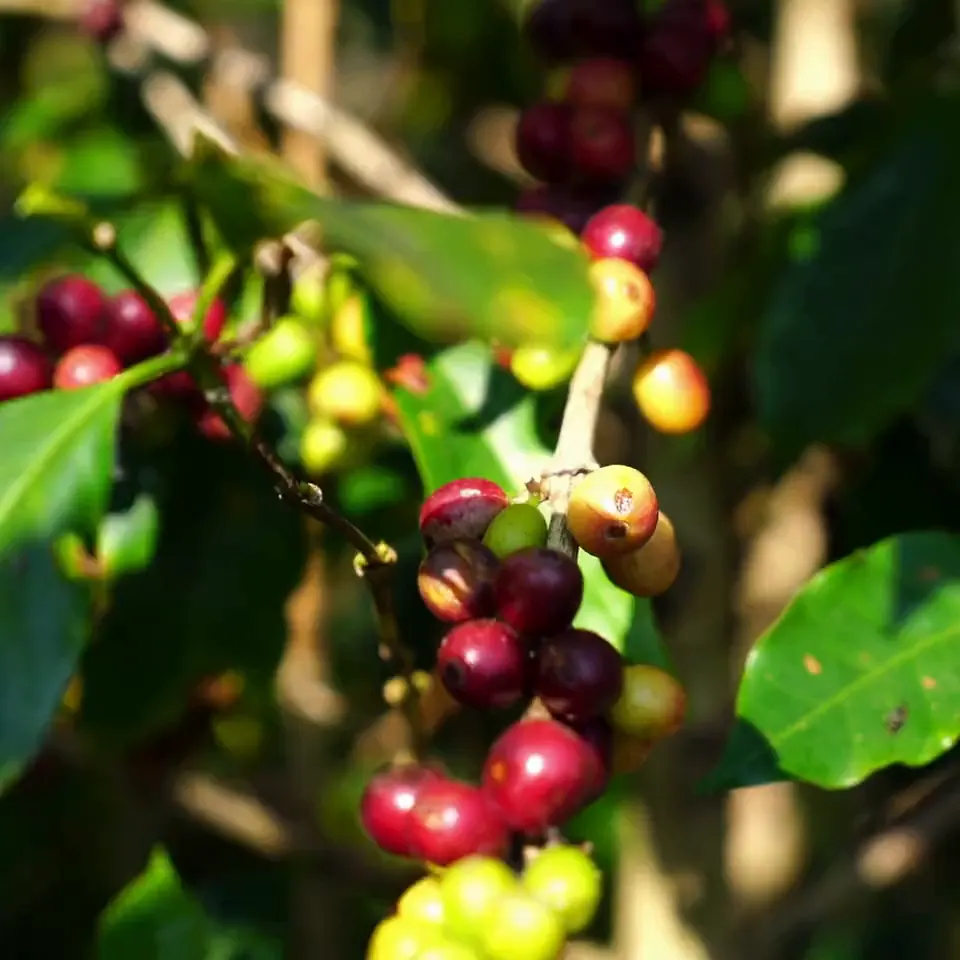
In Venezuela coffee grows in the highlands of the Andes and the Coastal Range. Altitude shapes how slowly the cherries ripen.
Altitude: 1,500 m (Geisha “El Tirol”, Táchira) · 2,020 m (Café y Ciencia, Mérida)

Picking is done by hand and selectively. On the farm, cherries are measured and selected before they go into processing.

The five current lots are washed: pulped, washed and dried under control. Café y Ciencia also works with natural, honey and its own fermentation processes.

Every lot is described with its cupping score; samples are available on request. Delivery is in 60 kg sacks in GrainPro.
EXW Venezuela · CFR/CIF · DAP Germany
The current harvest and further profiles from Venezuela for roasters and importers.
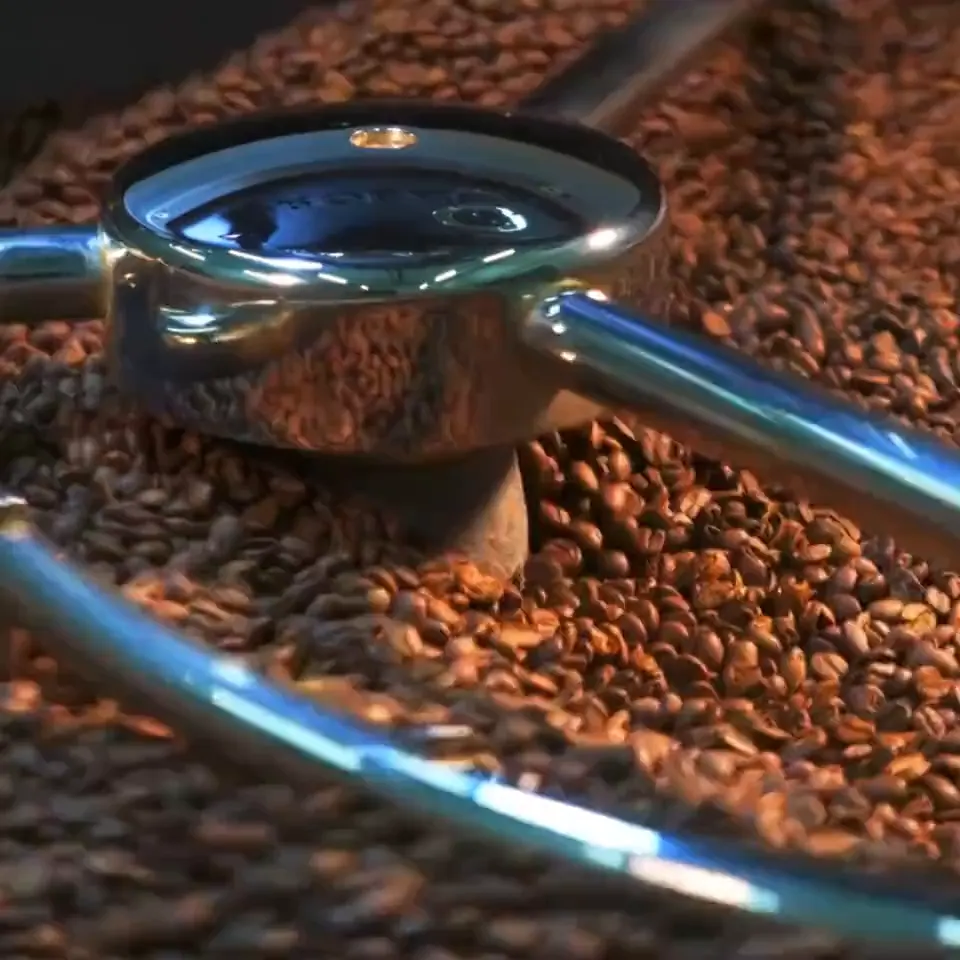
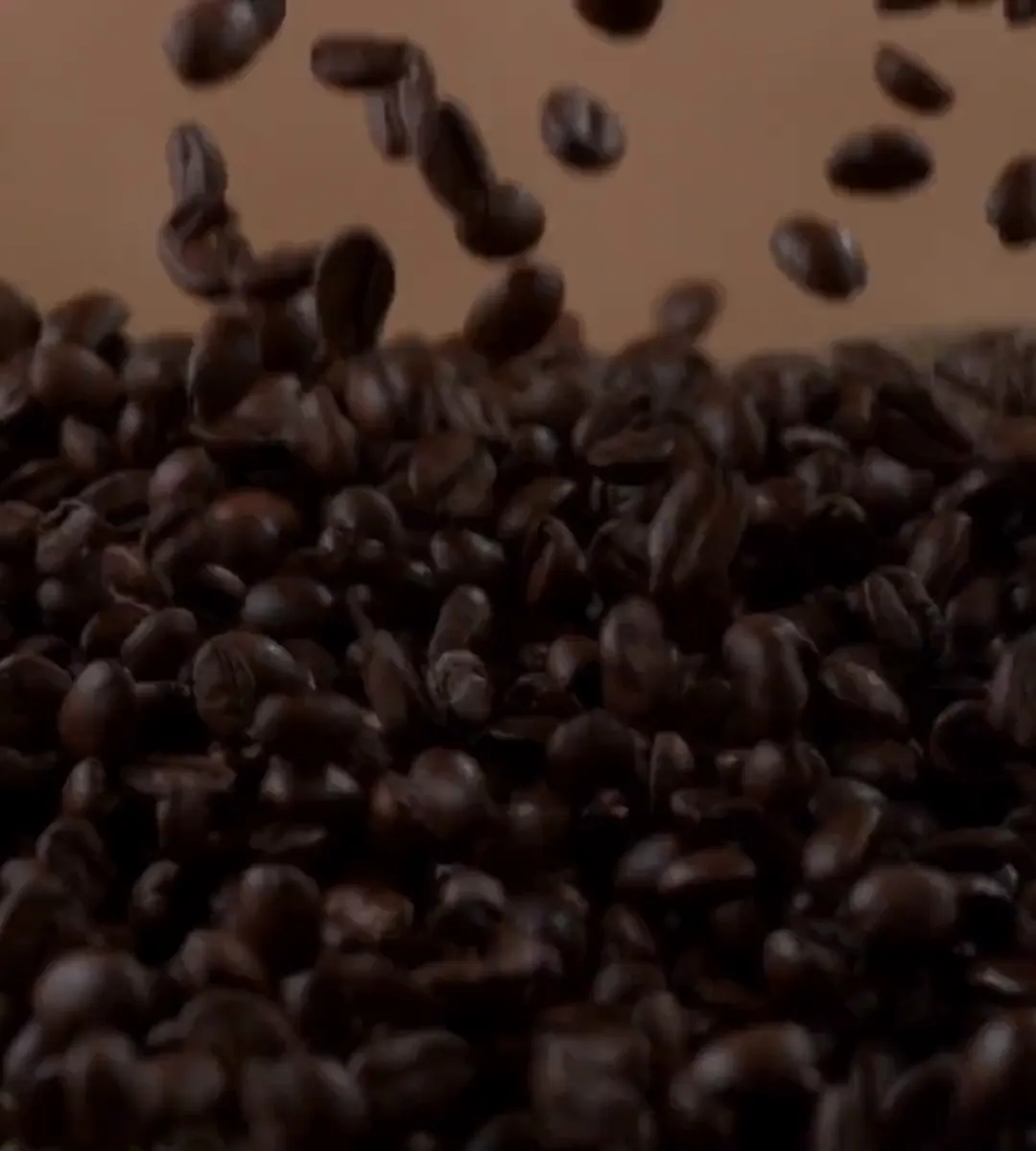
Espresso Crema and Filter Coffee, packed for hospitality, offices and retail.
Fifteen coffee profiles by Darveris Rivas from Mérida, in four lines, from washed classics to experimental fermentations.
Espresso Crema and Filter Coffee, packed for hospitality, offices and retail.
Advertising visual with designed scenery. Original LOS ANDES product.
Reference, not an offer
Entries to the Venezuelan quality competition EICEV 2025, shown as a reference, not an offer.
View competition entriesOur current selection, all washed. Choose a lot.
The five lots of the 2025/26 harvest
Lot 1 of 5
87.5 Cupping score
Profile
Floral and fruity notes from a limited micro-plot.
Lot 2 of 5
85.5 Cupping score
Profile
Balanced, chocolatey, with a clean acidity.
Lot 3 of 5
85.0 Cupping score
Profile
The farm lot of the Gil family.
Lot 4 of 5
84.25 Cupping score
Profile
A lot from the 2025/26 harvest.
Lot 5 of 5
79.0 Cupping score
Profile
A dependable base line for consistent blends.
In focus
Processing shapes how a coffee tastes, often more than the variety does. Three basic methods, one difference: how much fruit is still on the bean while it dries.
Read articleThe pulp is removed mechanically, the remaining mucilage comes off through controlled fermentation or mechanically, and then the bean dries. The result is usually more clearly drawn, with pronounced acidity.
A middle road: pulping is mechanical, but the mucilage stays on the bean through drying. The method combines the sweetness and body of a natural with more clarity.
The whole cherry dries around the bean. Fruit sugars and aromatics migrate into it, which gives more intense, fruit-forward profiles and makes higher demands on the drying.
Managed or extended fermentations now form a group of their own. Our catalogue records them as “experimental”; we state the exact method per lot on request.
Map base: geoBoundaries gbOpen, Venezuela ADM1 (simplified), from data by OCHA Venezuela and the Instituto Nacional de Estadística, CC BY 3.0 IGO.
You deal directly with LOS ANDES EUROPE GmbH, the contracting party for green and roasted coffee.
A current lot, a Café y Ciencia profile or the profile you are looking for.
We check availability and agree samples with you.
Volume, timing, delivery model and terms for your needs.
Questions about the selection? The coffee guide shows you the way.
B2B coffee guide
Good to know
The coffee guide takes you to pages of this website. It does not answer free-form questions and uses no tracking or advertising storage. Only when you close the hint or open the guide does your browser remember this until you close the tab, so the hint does not appear again.